
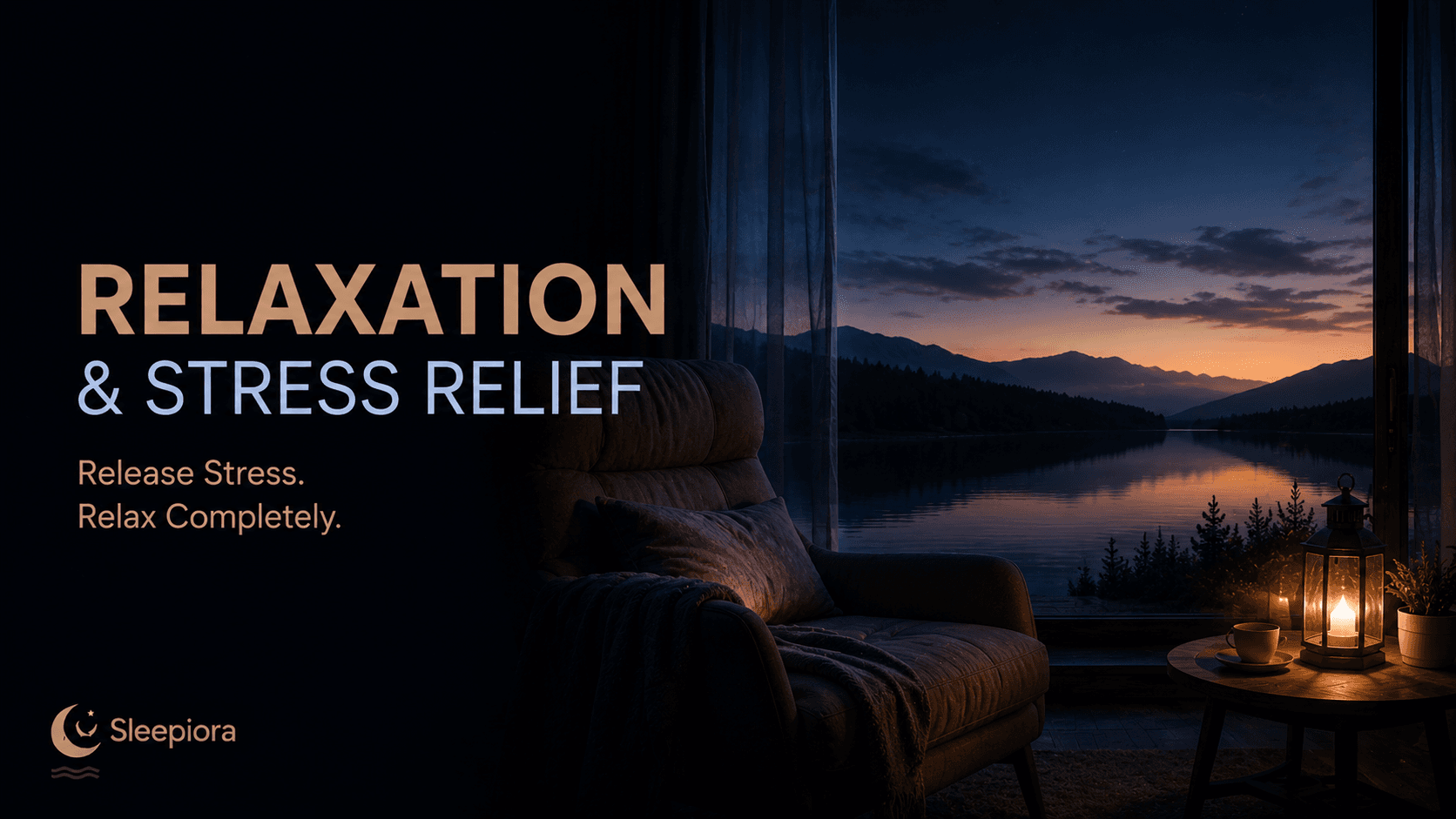
How to Create a Sleep Sanctuary is a topic many people search for when they want clearer, calmer guidance. The modern night is full of stimulation: screens, stress, noise, unfinished thoughts, and inconsistent schedules. Sleepiora approaches this subject with a simple idea: rest improves when the environment and routine begin to feel safe and predictable.
Relaxation before bed is not about perfection. It is about giving the body and mind a reliable transition from daytime alertness into nighttime calm. This article explains the topic in practical language, without exaggerated promises or unnecessary jargon.
Quick Takeaways
- How to Create a Sleep Sanctuary can be understood through habits, environment, attention, and nervous system state.
- Small, consistent routines usually work better than dramatic one-night fixes.
- Sound can be helpful when it creates a steady background, but it should not be treated as a cure.
- Professional help is important when sleep issues are persistent, severe, or affecting daily life.
Main Explanation
This guide looks at how to create a sleep sanctuary through a practical Sleepiora lens: what it means, why people search for it, and how it can fit into a calm routine.
Relaxation before bed is not about perfection. It is about giving the body and mind a reliable transition from daytime alertness into nighttime calm.
Most people discover that sleep, focus, or relaxation improves more easily when the surrounding signals become consistent. Light, sound, timing, temperature, and emotional state all send messages to the brain. When those messages are calm and predictable, the body often has an easier time settling.
That does not mean every night will be perfect. Human sleep naturally varies. The useful question is not how to control every detail, but how to create a repeatable routine that reduces friction and supports the state you want.
Practical Tips
Start with small adjustments rather than dramatic changes. A simple routine is easier to repeat, and repetition is what teaches the brain to recognize a pattern.
- Keep the same wake time as often as possible.
- Lower lights and stimulation in the final part of the evening.
- Use sound at a comfortable, low volume if it helps create consistency.
- Choose one calming cue, such as breath, music, rain, or a short reading habit.
- Notice what improves your night without judging one difficult sleep as failure.
Common Mistakes
A common mistake is trying to force an outcome. Sleep and relaxation respond poorly to pressure. The more urgently someone tries to sleep, calm down, or focus, the more alert the mind can become.
Another mistake is changing the routine every night. One night of rain sounds, one night of silence, one night of scrolling, and one night of intense work can make the evening feel unpredictable. A steadier pattern usually works better.
- Using audio too loudly.
- Watching the clock repeatedly.
- Staying in bright light too late.
- Expecting one sound or habit to solve everything.
Sleepiora Recommendation
For this topic, the most natural Sleepiora match is Sleepiora Relaxation Sounds. Pair it with a quiet room, a dimmer environment, and a gentle transition away from demanding tasks.
If you prefer video, Sleepiora Relaxing Night Routine Video can be used as a low-stimulation companion, especially when the screen is dark or the visual element is minimal.
Sleepiora Tip: Build a two-step ritual: first reduce stimulation, then start one calming sound. Repeating the same sequence each night can help the body recognize that the day is ending.
Sound and relaxation routines are personal. Sleepiora audio is designed as supportive ambience, not as a medical treatment or guaranteed solution.
FAQ
Is how to create a sleep sanctuary common?
Yes. Many people experience this topic in some form, especially during stressful periods, schedule changes, travel, or changes in their environment.
Can Sleepiora sounds help?
Sleepiora sounds may help some listeners create a more consistent atmosphere. They should be used as supportive ambience, not as a cure or medical treatment.
How loud should sleep or focus audio be?
Use the lowest comfortable volume. The sound should sit in the background and feel easy to ignore rather than demand attention.
When should I seek professional advice?
If sleep problems are frequent, severe, or affecting your daily life, or if you notice breathing pauses, intense anxiety, pain, or extreme fatigue, speak with a qualified professional.
How to Create a Sleep Sanctuary is not about chasing a perfect night. It is about understanding the signals that shape rest, calm, or focus, then making those signals a little more supportive. With patience and consistency, a more peaceful routine can become easier to return to.